
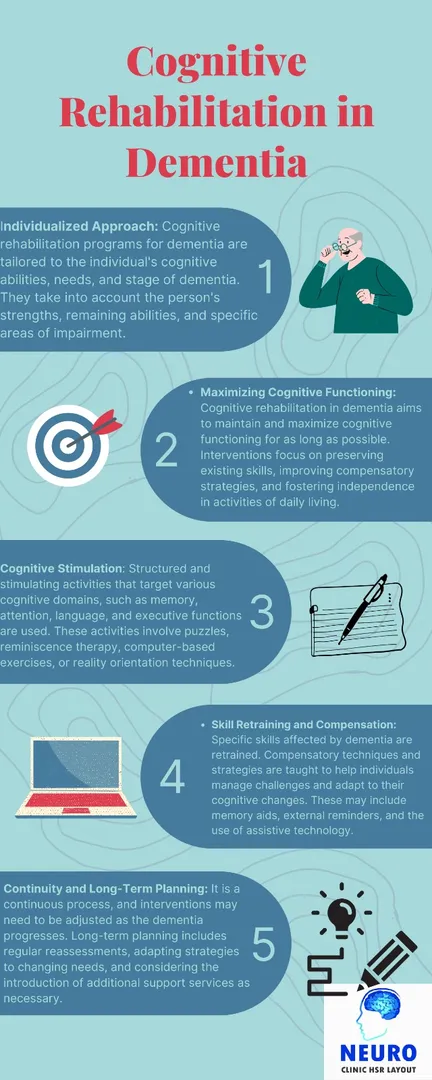
Empowering Minds: The Transformative Impact of Cognitive Rehabilitation in Dementia Care
Dementia is a complex and distressing condition that affects millions of people worldwide, robbing them of their memories, cognitive abilities, and independence. However, amidst the challenges posed by dementia, there is a ray of hope in the form of cognitive rehabilitation. In this post, let's delve into the world of cognitive rehabilitation and explore its profound impact on dementia care. By raising awareness about this therapeutic intervention, we can empower individuals, caregivers, and society at large to embrace a more compassionate and supportive approach towards those living with dementia.
Understanding Cognitive Rehabilitation
Cognitive rehabilitation is a targeted and evidence-based approach to assist individuals with cognitive impairments, including those caused by dementia. The primary goal is to enhance cognitive functioning and improve quality of life by employing various techniques and strategies. These interventions focus on memory enhancement, attention improvement, language skills, problem-solving abilities, and other cognitive functions that are affected by dementia. By tailoring rehabilitation programs to the individual's needs, cognitive rehabilitation fosters resilience, adaptation, and independence, even in the face of cognitive decline.
Breaking the Stigma
One of the biggest challenges in dementia care is the stigma associated with the condition. Misunderstanding and fear can isolate those affected and their families. By promoting cognitive rehabilitation, we can break down these barriers and foster a more supportive and empathetic society that embraces those living with dementia as individuals deserving of understanding and care.
The Role of Early Intervention
Early detection and intervention are vital in managing dementia. Cognitive rehabilitation is most effective when initiated in the early stages of the disease. By raising awareness about the benefits of early intervention, we can encourage individuals experiencing cognitive challenges and their families to seek help promptly. Timely cognitive rehabilitation can slow down the progression of dementia and enhance the individual's cognitive reserve, providing them with an improved capacity to cope with cognitive difficulties.
Benefits of Cognitive Rehabilitation
Cognitive rehabilitation offers numerous benefits to individuals living with dementia. Through personalized therapy and exercises, it can lead to enhanced memory retention, improved problem-solving skills, increased attention span, and better language abilities. These improvements significantly contribute to maintaining independence and overall well-being, promoting a sense of accomplishment and boosting self-esteem. Furthermore, cognitive rehabilitation equips individuals with coping strategies that positively impact their daily lives, making it easier for them to engage in meaningful activities and maintain a higher quality of life.
Supporting Caregivers
Caregivers play a crucial role in supporting those with dementia, and cognitive rehabilitation offers them valuable respite. By advocating for cognitive rehabilitation, we highlight the importance of providing support, resources, and education to caregivers, empowering them to provide the best care possible for their loved ones.
Access to Resources
Increasing awareness of cognitive rehabilitation also entails promoting the availability of resources such as support groups, therapy centers, and educational programs. These resources serve as lifelines for individuals and families facing the challenges of dementia, offering guidance, understanding, and a sense of community.
Spreading Hope
Cognitive rehabilitation offers hope to those living with dementia and their families. By sharing success stories and positive outcomes, we inspire others to seek help and explore the potential of cognitive rehabilitation, fostering hope and determination in the face of adversity.
Conclusion
In conclusion, cognitive rehabilitation in dementia care is a powerful tool that empowers individuals to face cognitive challenges with resilience and dignity. By creating awareness about this transformative approach, we can work towards building a more compassionate and inclusive society, where those living with dementia are supported, understood, and valued. Together, let's empower minds and advocate for cognitive rehabilitation. 💙 #CognitiveRehabilitation #DementiaAwareness #EmpowerMinds
Dementia is a complex and distressing condition that affects millions of people worldwide, robbing them of their memories, cognitive abilities, and independence. However, amidst the challenges posed by dementia, there is a ray of hope in the form of cognitive rehabilitation. In this post, let's delve into the world of cognitive rehabilitation and explore its profound impact on dementia care. By raising awareness about this therapeutic intervention, we can empower individuals, caregivers, and society at large to embrace a more compassionate and supportive approach towards those living with dementia.
Understanding Cognitive Rehabilitation
Cognitive rehabilitation is a targeted and evidence-based approach to assist individuals with cognitive impairments, including those caused by dementia. The primary goal is to enhance cognitive functioning and improve quality of life by employing various techniques and strategies. These interventions focus on memory enhancement, attention improvement, language skills, problem-solving abilities, and other cognitive functions that are affected by dementia. By tailoring rehabilitation programs to the individual's needs, cognitive rehabilitation fosters resilience, adaptation, and independence, even in the face of cognitive decline.
Breaking the Stigma
One of the biggest challenges in dementia care is the stigma associated with the condition. Misunderstanding and fear can isolate those affected and their families. By promoting cognitive rehabilitation, we can break down these barriers and foster a more supportive and empathetic society that embraces those living with dementia as individuals deserving of understanding and care.
The Role of Early Intervention
Early detection and intervention are vital in managing dementia. Cognitive rehabilitation is most effective when initiated in the early stages of the disease. By raising awareness about the benefits of early intervention, we can encourage individuals experiencing cognitive challenges and their families to seek help promptly. Timely cognitive rehabilitation can slow down the progression of dementia and enhance the individual's cognitive reserve, providing them with an improved capacity to cope with cognitive difficulties.
Benefits of Cognitive Rehabilitation
Cognitive rehabilitation offers numerous benefits to individuals living with dementia. Through personalized therapy and exercises, it can lead to enhanced memory retention, improved problem-solving skills, increased attention span, and better language abilities. These improvements significantly contribute to maintaining independence and overall well-being, promoting a sense of accomplishment and boosting self-esteem. Furthermore, cognitive rehabilitation equips individuals with coping strategies that positively impact their daily lives, making it easier for them to engage in meaningful activities and maintain a higher quality of life.
Supporting Caregivers
Caregivers play a crucial role in supporting those with dementia, and cognitive rehabilitation offers them valuable respite. By advocating for cognitive rehabilitation, we highlight the importance of providing support, resources, and education to caregivers, empowering them to provide the best care possible for their loved ones.
Access to Resources
Increasing awareness of cognitive rehabilitation also entails promoting the availability of resources such as support groups, therapy centers, and educational programs. These resources serve as lifelines for individuals and families facing the challenges of dementia, offering guidance, understanding, and a sense of community.
Spreading Hope
Cognitive rehabilitation offers hope to those living with dementia and their families. By sharing success stories and positive outcomes, we inspire others to seek help and explore the potential of cognitive rehabilitation, fostering hope and determination in the face of adversity.
Conclusion
In conclusion, cognitive rehabilitation in dementia care is a powerful tool that empowers individuals to face cognitive challenges with resilience and dignity. By creating awareness about this transformative approach, we can work towards building a more compassionate and inclusive society, where those living with dementia are supported, understood, and valued. Together, let's empower minds and advocate for cognitive rehabilitation. 💙 #CognitiveRehabilitation #DementiaAwareness #EmpowerMinds
Keywords