Alzheimer's Disease Diagnosis: A Complex Process
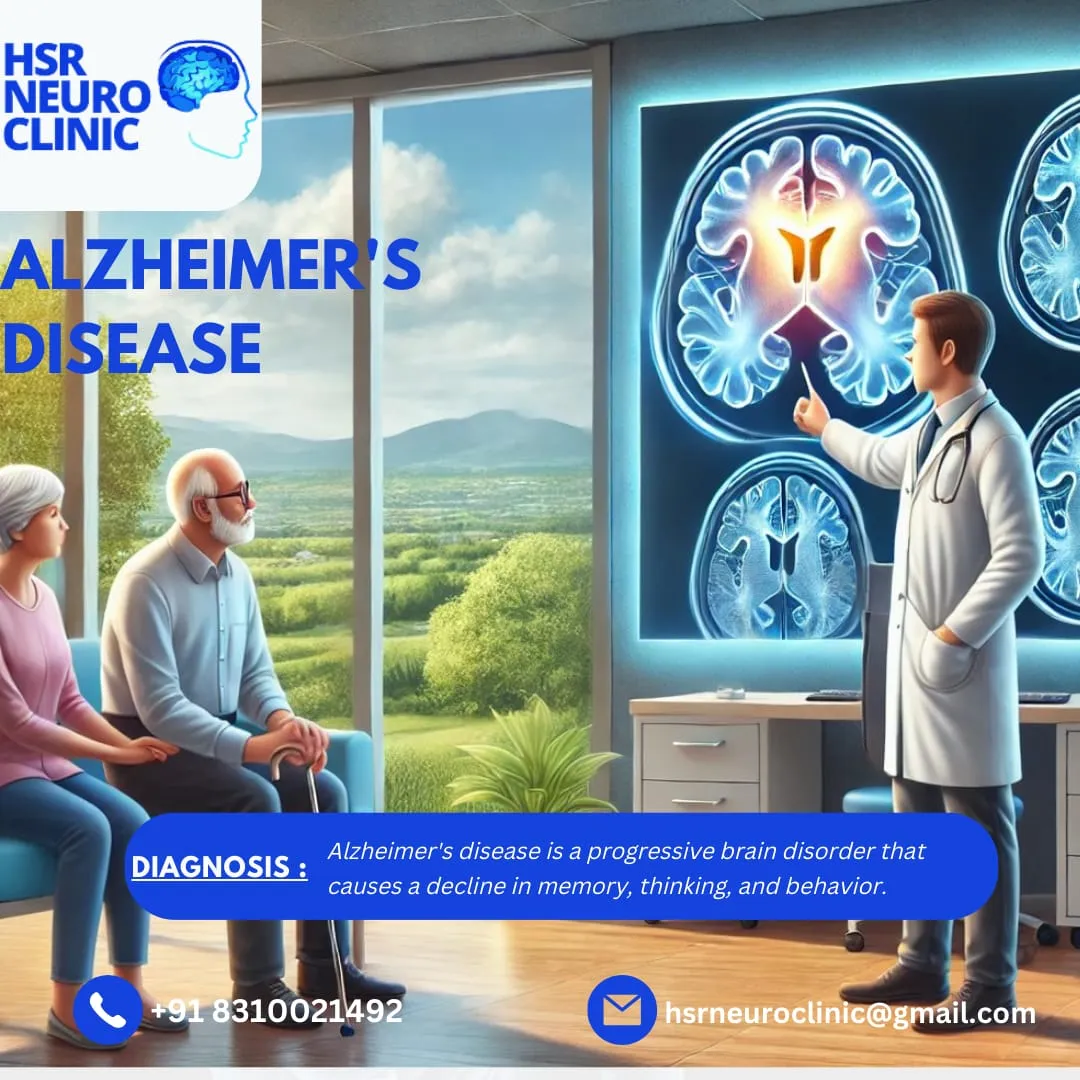
Alzheimer's disease is a progressive brain disorder that impairs memory, thinking, and behavior. While there is no single definitive test, diagnosing Alzheimer's requires a comprehensive approach involving multiple steps:
🔍 Key Diagnostic Steps:
1️⃣ Medical History & Physical Exam
A detailed review of symptoms, family history, and lifestyle factors.
Physical exams to rule out other potential causes of cognitive decline.
2️⃣ Cognitive Tests
Mini-Mental State Examination (MMSE): A quick test for orientation, memory, language, and visuospatial skills.
Additional cognitive tests for a deeper evaluation of cognitive functions.
3️⃣ Neuropsychological Evaluation
Thorough assessments to measure memory, problem-solving, and other cognitive abilities.
4️⃣ Brain Imaging
MRI Scans: To identify brain structure changes and exclude conditions like strokes or tumors.
PET Scans: To observe brain activity and detect Alzheimer-related changes.
5️⃣ Biomarker Tests
Cerebrospinal Fluid (CSF) Analysis: Measures proteins linked to Alzheimer’s.
Blood Tests: Identifies genetic markers and other risk factors.
🔔 Early Diagnosis Matters
Symptoms of Alzheimer's can be subtle and often mistaken for normal aging. A timely, accurate diagnosis allows for better symptom management and future planning.
If you or a loved one notice signs of cognitive decline, don’t delay—consult a healthcare professional for a full evaluation.
Would you like to learn more about Alzheimer's risk factors, prevention, or treatment options? Let's start a conversation. 💬
#AlzheimersAwareness #CognitiveHealth #BrainHealth #EarlyDiagnosis #Healthcare #NeuroScience #Wellness
Alzheimer's disease is a progressive brain disorder that impairs memory, thinking, and behavior. While there is no single definitive test, diagnosing Alzheimer's requires a comprehensive approach involving multiple steps:
🔍 Key Diagnostic Steps:
1️⃣ Medical History & Physical Exam
A detailed review of symptoms, family history, and lifestyle factors.
Physical exams to rule out other potential causes of cognitive decline.
2️⃣ Cognitive Tests
Mini-Mental State Examination (MMSE): A quick test for orientation, memory, language, and visuospatial skills.
Additional cognitive tests for a deeper evaluation of cognitive functions.
3️⃣ Neuropsychological Evaluation
Thorough assessments to measure memory, problem-solving, and other cognitive abilities.
4️⃣ Brain Imaging
MRI Scans: To identify brain structure changes and exclude conditions like strokes or tumors.
PET Scans: To observe brain activity and detect Alzheimer-related changes.
5️⃣ Biomarker Tests
Cerebrospinal Fluid (CSF) Analysis: Measures proteins linked to Alzheimer’s.
Blood Tests: Identifies genetic markers and other risk factors.
🔔 Early Diagnosis Matters
Symptoms of Alzheimer's can be subtle and often mistaken for normal aging. A timely, accurate diagnosis allows for better symptom management and future planning.
If you or a loved one notice signs of cognitive decline, don’t delay—consult a healthcare professional for a full evaluation.
Would you like to learn more about Alzheimer's risk factors, prevention, or treatment options? Let's start a conversation. 💬
#AlzheimersAwareness #CognitiveHealth #BrainHealth #EarlyDiagnosis #Healthcare #NeuroScience #Wellness
Keywords