
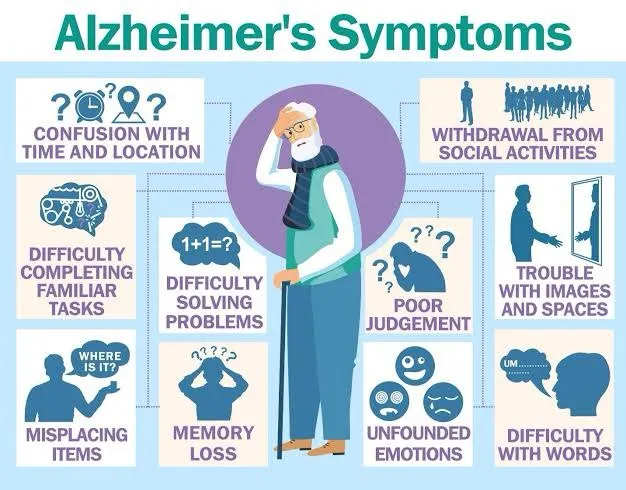
Alzheimer's disease (AD) involves a
comprehensive assessment that integrates clinical evaluations,
cognitive testing, and biomarker analyses. Recent
advancements have refined these protocols to enhance
diagnostic accuracy.
1. Clinical Evaluation:
Medical History: Gathering detailed information on the
patient's medical history, including cognitive and behavioral
changes, family history of dementia, and other relevant factors.
2. Physical and Neurological Examination: Assessing
neurological function to rule out other conditions that may
mimic AD symptoms.
Differential Diagnosis:
It's crucial to distinguish AD from other dementias, such as
Limbic-predominant Age-related TDP-43 Encephalopathy
(LATE), which shares similar clinical features but requires
different management strategies.
These internationally accepted protocols aim to improve early
and accurate diagnosis of Alzheimer's disease, facilitating
timely interventions and better patient outcomes. Advance
Diagnosis of Alzheimer's Disease:
Recent diagnostic protocols for AD emphasize the integration
of clinical evaluations, cognitive testing, and biomarker
analyses. Key advances include:
Neuroimaging:
PET scans to detect amyloid plaques and tau tangles.
MRI for assessing structural changes in the brain.
Biomarker Testing:
Cerebrospinal fluid (CSF) analysis for amyloid-beta and tau
protein levels.
Blood-based biomarker tests, emerging as less invasive
alternatives.
Cognitive Assessments:
Tools such as the Montreal Cognitive Assessment (MoCA) and
Mini-Mental State Examination (MMSE). If you or a loved one
notice symptoms like Alzheimer's Disease or symptoms
changes, consult a neurologist promptly. Early care can make a
meaningful difference.
Dr. Advait Kulkarni (Neurologist, MBBS, DM)
www.dradvaitkulkarni.com #neurology #healthandwellness
#awarness #healthyliving
comprehensive assessment that integrates clinical evaluations,
cognitive testing, and biomarker analyses. Recent
advancements have refined these protocols to enhance
diagnostic accuracy.
1. Clinical Evaluation:
Medical History: Gathering detailed information on the
patient's medical history, including cognitive and behavioral
changes, family history of dementia, and other relevant factors.
2. Physical and Neurological Examination: Assessing
neurological function to rule out other conditions that may
mimic AD symptoms.
Differential Diagnosis:
It's crucial to distinguish AD from other dementias, such as
Limbic-predominant Age-related TDP-43 Encephalopathy
(LATE), which shares similar clinical features but requires
different management strategies.
These internationally accepted protocols aim to improve early
and accurate diagnosis of Alzheimer's disease, facilitating
timely interventions and better patient outcomes. Advance
Diagnosis of Alzheimer's Disease:
Recent diagnostic protocols for AD emphasize the integration
of clinical evaluations, cognitive testing, and biomarker
analyses. Key advances include:
Neuroimaging:
PET scans to detect amyloid plaques and tau tangles.
MRI for assessing structural changes in the brain.
Biomarker Testing:
Cerebrospinal fluid (CSF) analysis for amyloid-beta and tau
protein levels.
Blood-based biomarker tests, emerging as less invasive
alternatives.
Cognitive Assessments:
Tools such as the Montreal Cognitive Assessment (MoCA) and
Mini-Mental State Examination (MMSE). If you or a loved one
notice symptoms like Alzheimer's Disease or symptoms
changes, consult a neurologist promptly. Early care can make a
meaningful difference.
Dr. Advait Kulkarni (Neurologist, MBBS, DM)
www.dradvaitkulkarni.com #neurology #healthandwellness
#awarness #healthyliving
Keywords